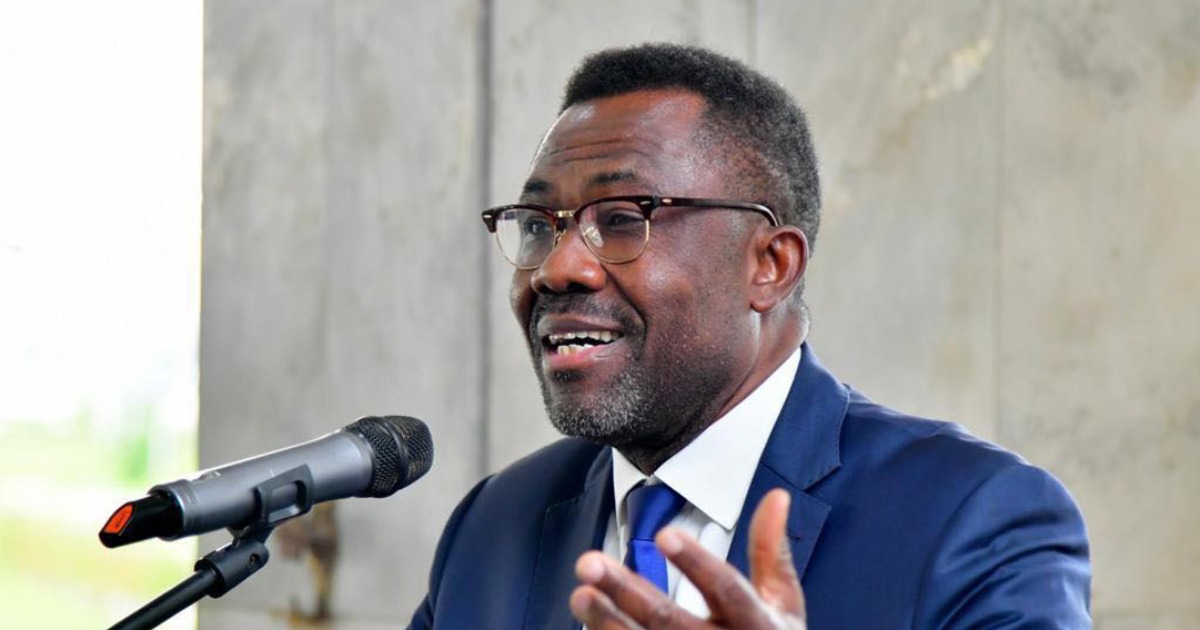
The Confederation of African Football (CAF) is bracing for a shake-up following the announcement that its long-time general secretary, Veron Mosengo-Omba, intends to step down.
As reported by AfricaSoccer.com, the official from DR Congo will leave his position when CAF’s Executive Committee meets in Cairo on Friday.
Mosengo-Omba’s decision comes amid growing criticism of his continued tenure, particularly after he surpassed the organisation’s mandatory retirement age.
According to sources within CAF’s Executive Committee, if Mosengo-Omba does not resign voluntarily, some influential board members are ready to seek his immediate removal formally.
The controversy centres on CAF’s Regulation 130, which mandates a retirement age of 63, with a maximum three-year extension. Mosengo-Omba, who was appointed in March 2021 at age 61, reached this threshold in October 2022.
CAF president Patrice Motsepe granted him the full extension, which lapses in October 2025. After that, no further extensions can be granted—yet Mosengo-Omba has remained in his role, even as he oversaw major tournaments such as December’s AFCON in Morocco.
His extended presence in office has revealed deeper issues within CAF. Critics argue that permitting a senior official to stay beyond the legal limit undermines the organization’s credibility and governance.
There are also concerns that contracts signed during this period may be challenged. The lack of action from CAF’s oversight bodies, including its Audit and Governance Committees, has heightened worries about accountability.
Adding to the scrutiny is Mosengo-Omba’s close relationship with FIFA president Gianni Infantino. Although FIFA has not publicly commented, critics view its silence as implicit support.
Insiders describe the atmosphere surrounding CAF’s leadership as increasingly “toxic,” which has led Mosengo-Omba to choose a voluntary departure over a public showdown.
With no deputy general secretaries appointed throughout his tenure, CAF now finds itself facing a leadership void. The organisation must swiftly decide whether to focus on succession planning or to overhaul its governance structures in a bid to restore credibility.