As Ghanaian author Ernest Agyemang Yeboah once observed, “When radio keeps silent, our ears shall never hear the real details.” For some Sierra Leonean football supporters, that sentiment reflects growing concerns about the state of sports journalism in the country.
With less than six days remaining before Sierra Leone’s two-legged international friendly against neighbouring Liberia, scheduled for 6 and 9 June 2026, questions are being raised about the apparent silence of the country’s sports media on several football-related issues.
The matches are set to be played at the Southern Arena in Bo, Sierra Leone’s second-largest city, on the 6th June 2026. While the return fixture is on the 9th June 2026.
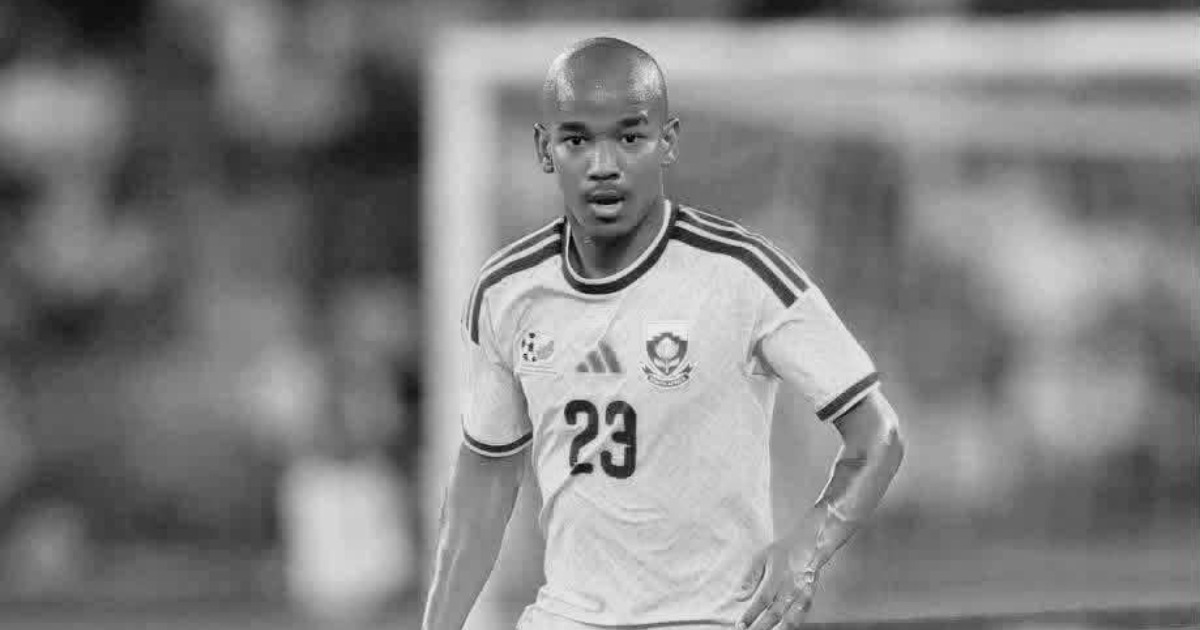
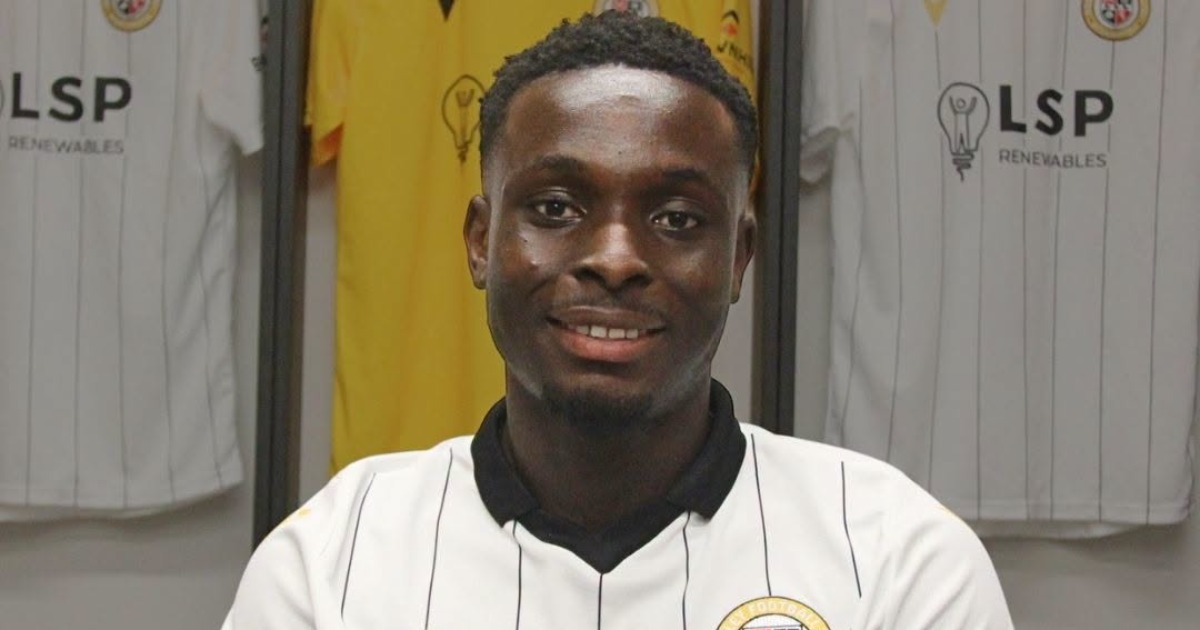
Despite the short time left before the fixtures, the Sierra Leone Football Association (SLFA) has yet to announce the coach who will lead the national team. In addition, the list of invited players has not been officially released. Information about some call-ups has instead emerged through club websites or individuals close to the players.
For many supporters, the lack of official communication surrounding the national team preparations would ordinarily be expected to attract significant media scrutiny. However, there has been little public discussion of these issues across major sports platforms and programmes.
A review of recent sports discussions on radio, online platforms, and social media suggests that questions surrounding the team’s coaching situation, player invitations, and preparations have received limited attention, despite their significance to the national team and its supporters.
Some commentators attribute the current situation to the last SLFA presidential election, during which several sports journalists publicly aligned themselves with either the former or the current administration. Critics argue that expectations of future opportunities, including travel assignments and appointments, may have contributed to the close relationships that developed between some media figures and football officials.
There are also reports of intimidation directed at some young journalists who continued to ask critical questions following the elections. While these claims remain a matter of debate, some observers believe that the apparent silence of sections of the sports media on current football issues cannot be entirely separated from these developments.
Concerns have also been raised about other matters that have received limited media attention. One example frequently cited is the agreement between the national teams and the fashion brand Labrum. Details of the partnership have not been made public, and the terms of the contract remain unknown.
A football team manager, who spoke on condition of anonymity, also pointed to what he described as recurring poor officiating against certain clubs in the domestic league. According to him, these incidents have largely gone unreported by the sports media despite complaints from affected teams and supporters.
Others, however, argue that there may be alternative explanations for the lack of reporting. Some journalists may be exercising caution due to limited access to official information, while others may be reluctant to publish claims that cannot be independently verified. Resource constraints within media organisations may also play a role.
Nevertheless, the situation has led some observers to question whether sections of the sports media are becoming less willing to critically examine issues involving football administration and governance. Whether this reflects caution, limited access to information, professional relationships, institutional pressures or a deeper problem remains a matter of public debate.
As Sierra Leone prepares to face Liberia on 6 and 9 June, supporters continue to await answers on key issues surrounding the national team setup. At the same time, broader questions about transparency, accountability and the role of the sports media in holding football authorities to account remain unresolved.
Ultimately, a vibrant and independent sports media serves not only the interests of journalists but also those of players, clubs, administrators and supporters. As the countdown to the Liberia friendlies continues, many football followers will be watching not only the performances on the pitch, but also whether the questions surrounding the game receive the scrutiny they deserve.